Most researchers spend hours comparing vendors and verifying purity. Then they store their peptides wrong — and lose everything.
It happens more than you'd think. A vial of retatrutide, BPC-157, or GHK-Cu sitting in the wrong conditions doesn't just degrade quietly. It fails. And when it fails, so does your research. This guide covers the right way to store and handle research peptides — plus what you need to know when shopping for peptides for sale online so your investment actually holds up.
Peptides for Sale Online — What Happens After You Buy Matters Just as Much
Buying the right peptide from a trusted source is step one. But here's what most buying guides skip entirely: improper storage is one of the leading causes of peptide degradation. Temperature swings, moisture exposure, and poor reconstitution technique can destroy a research-grade compound in days.
Let's fix that.
How Peptides Degrade — The Short Version
Peptides are chains of amino acids. They're sensitive. Heat, light, oxygen, and water all break down those chains over time. Some peptides are more stable than others — synthetic peptides like BPC-157 and tesamorelin tend to hold up better in lyophilized (freeze-dried) form. Others, like NAD+ and selank, are more vulnerable to improper handling.
The degradation isn't always visible. A vial can look perfectly fine and still be compromised at the molecular level. That's why storage protocol isn't optional — it's the backbone of reliable research.
Storing Peptides for Sale Online — Before and After Reconstitution
There are two phases of peptide storage: lyophilized (dry powder) and reconstituted (liquid form). Each has different rules.
Lyophilized Peptides (Dry Powder)
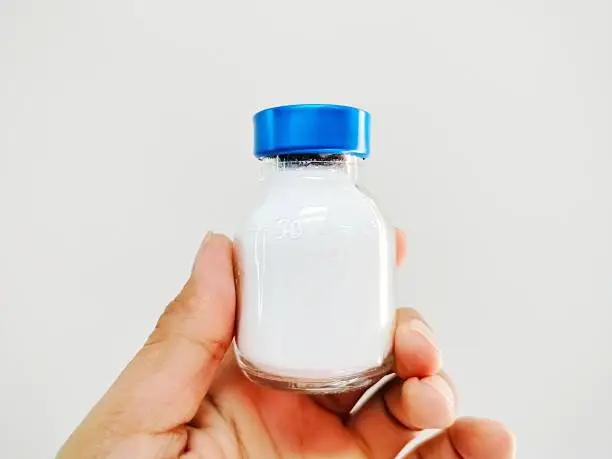
This is how most research peptides arrive — as a white or off-white powder sealed in a sterile vial. In this form, peptides are at their most stable.
Best storage conditions for dry peptides:
Keep at –20°C (standard freezer) for long-term storage
Short-term storage (up to 4 weeks) is fine at 2–8°C (refrigerator)
Keep away from light — amber or opaque vials help, but store in a dark drawer regardless
Avoid repeated freeze-thaw cycles — they break down the peptide chain over time
Keep vials sealed and dry until you're ready to use them
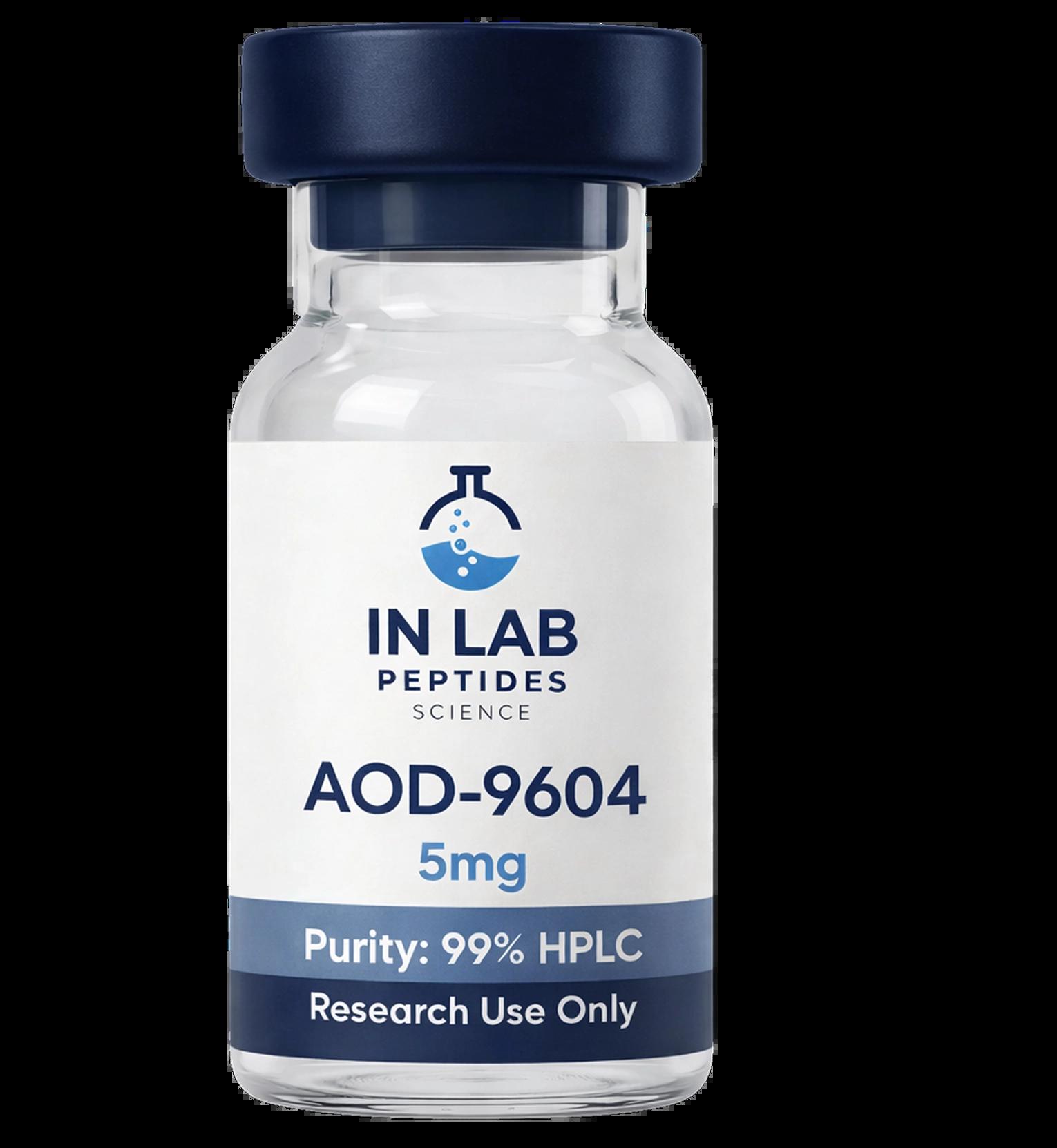
This applies across the board — whether you're working with ipamorelin CJC-1295, MOTS-c peptide, epithalon, or AOD-9604 peptide. The rules don't change much between compounds, but always check the COA (certificate of analysis) from your vendor for compound-specific notes.
Reconstituted Peptides (Liquid Form)
Once you add bacteriostatic water to a peptide vial, the clock starts ticking. Liquid peptides are significantly less stable than dry ones.
Best storage conditions after reconstitution:
Store at 2–8°C (refrigerator) — not the freezer
Use within 28–30 days for most peptides
Keep the vial sealed with the original rubber stopper
Use a clean, sterile syringe every single time you draw from the vial
Minimize exposure to light and air
One note that trips up a lot of researchers: bacteriostatic water is not the same as sterile water. Bacteriostatic water contains 0.9% benzyl alcohol, which slows bacterial growth and extends the usable life of reconstituted peptides. Sterile water doesn't. If you've been searching for bacteriostatic water CVS or where can I buy bacteriostatic water, skip the pharmacy guessing game — look for research-grade bacteriostatic water for sale from a reputable peptide vendor to ensure purity standards match your peptides.
Handling Protocols — The Details That Actually Protect Your Research
Storage is one thing. Handling is another. Here's where small mistakes compound into big problems.
Always reconstitute slowly. When adding bacteriostatic water to a lyophilized peptide, inject the water down the side of the vial — not directly onto the powder. Forcing water straight into the powder can damage fragile peptide bonds. Then let it dissolve on its own. Don't shake. Gently swirl if needed.
Use the right needle gauge. A 25–27 gauge needle causes less trauma to the rubber stopper and reduces contamination risk.
Label everything immediately. Once you reconstitute a vial, write the date on it. This is especially important if you're running multiple compounds — buy CJC-1295 ipamorelin, KPV peptide, selank peptide, and semax peptide all look virtually identical once reconstituted.
Don't mix peptides in the same vial unless your research protocol explicitly calls for it. Cross-contamination changes what you're actually measuring.
Work in a clean environment. A laminar flow hood is ideal. At minimum, use a clean surface, wear gloves, and wipe vial tops with an alcohol swab before every draw.
Peptide-Specific Storage Notes Worth Knowing
Not every peptide behaves the same way. A few worth flagging:
GHK-Cu (Copper Peptide): The GHK-Cu peptide and GHK copper peptide formulations — including topical GHK-Cu topical products — are relatively stable but sensitive to metal contamination. Use plastic syringes and storage containers, not metal.
NAD+: NAD+ peptide is one of the more degradation-prone compounds. If you buy NAD online, store it promptly and prioritize cold-chain integrity during shipping. Don't leave it at room temperature longer than necessary.
Tesamorelin: Tesamorelin peptide for sale is typically more stable than many other GHRH analogues in lyophilized form, but once reconstituted, use it within 21 days and keep it consistently refrigerated.
Retatrutide: If you've been tracking down where to buy retatrutide or looking at retatrutide price in USA, know that this compound — as a triple-receptor agonist — requires the same careful storage as other GLP-class peptides. Cold chain shipping matters enormously here.
Conclusion: Peptides for Sale Online Are Only Worth It If You Handle Them Right
You did the research. You found a quality source. You checked the COA. None of that matters if the peptide is degraded before it reaches the experiment.
Proper storage and handling isn't a bonus step — it's the difference between usable data and wasted resources. Whether you're working with peptides for sale online like MOTS-c, selank, BPC-157, or retatrutide peptide, the fundamentals don't change: keep it cold, keep it dark, keep it sterile, and document everything.
The research is only as good as the compound behind it.
Frequently Asked Questions
Q: How long do lyophilized peptides last in the freezer?
Most lyophilized peptides stored at –20°C remain stable for 12–24 months when kept sealed and away from light. Some, like epithalon and BPC-157, may maintain stability even longer under ideal conditions.
Q: Can I freeze reconstituted peptides?
It's generally not recommended. Freezing a reconstituted peptide can cause ice crystal formation that damages the peptide structure. Keep liquid peptides refrigerated at 2–8°C and use them within 28–30 days.
Q: Where can I buy bacteriostatic water for peptide research?
Skip the pharmacy — bacteriostatic water from a CVS or general pharmacy isn't guaranteed to meet research-grade purity standards. Purchase bacteriostatic water for sale from the same vendor supplying your peptides to ensure consistent quality.
Q: Does shipping damage peptides?
It can, if the vendor doesn't use proper cold-chain packaging. Reputable vendors shipping compounds like retatrutide, tirzepatide, or MOTS-c use insulated packaging and ice packs. If a shipment arrives warm and delayed, contact the vendor immediately.


Write a comment ...